Sarah Fletcher Writing Pain

How can writing help chronic or persistent pain conditions?

A five-part workshop framework developed through my PhD research into writing interventions for chronic pain.

The approach

How do we communicate pain?

Pain is hard to articulate even to ourselves. This can add anxiety and make communication with practitioners difficult. My research focuses on intervening before pain becomes an all-encompassing part of a person's identity, and helping people whose lives have become organised around chronic illness rediscover other aspects of themselves.

Science & research

Writing and physical health.

My PhD framework brings research on expressive writing into conversation with DBT’s approaches to emotional regulation and the difficulty of communicating pain.

DBT holds acceptance and change together: accepting pain now can coexist with hope for improvement. I draw on its repeated practice of emotional-regulation skills.

In a randomised trial with older adults, 76% of small biopsy wounds had healed by day 11 after expressive writing, compared with 42% after factual writing. A trial in asthma and rheumatoid arthritis found improved lung function and reduced arthritis disease activity at four months.

Being understood also matters. Feeling invalidated by physicians was associated with greater anxiety and distress after pain rehabilitation. In a 12-month study of 1,470 people with chronic back pain, greater physician empathy was associated with lower pain and less disability. I use writing to explore language that patients feel describes their experience accurately.

A systematic review found reduced medication use in its pooled analysis of resource-use outcomes.

Fibromyalgia

A randomised trial with 92 women found reduced pain and fatigue and better psychological wellbeing at four months after writing about traumatic experiences.

IBS & healthcare use

In a trial with 189 adults, gastrointestinal appointments increased over three months in the factual-writing group but stayed stable in the expressive-writing groups. Writing about IBS also improved confidence in managing pain compared with writing about another stressor.

Selected reading

  1. Smyth et al. (1999)
  2. Thompson et al. (2016)
  3. Norman-Nott et al. (2025)
  4. James and Engelhardt (2012); Van der Weel and Van der Meer (2024); critical commentary by Pinet and Longcamp (2025)
  5. Palermo et al. (2016); secondary analysis
  6. Soliday et al. (2004)
  7. Wallander et al. (2011); Cochrane review (2017)
  8. Köksal et al. (2025)

The modules

I developed these modules through my doctoral research into pain, language and DBT-informed creative writing.

01

Mindfulness

Use sustained attention to describe the senses and notice what is present.

Related research: Norman-Nott et al. (2025) studied a DBT-based programme incorporating mindfulness and emotional-regulation skills in chronic pain.

Sample prompt

Choose an object in front of you. Describe its colour, texture and shape until you notice something you had overlooked.

02

Specificity

Invent a personal pain scale: give words and images to the difference between a five and a six.

Related research: Middleton et al. (2006) found that written patient agendas helped clinicians identify more concerns. The study used appointment forms rather than metaphor exercises.

Sample prompt

Invent a pain scale of your own. What distinguishes a five from a six?

03

Cognition

Use free writing and shifts of perspective to explore thoughts and make unexpected connections.

Related research: Broderick et al. (2005) found improved pain, fatigue and wellbeing at four months after expressive writing in fibromyalgia.

Sample prompt

Write from the perspective of an everyday object. What does it remember about you?

04

Agency

Write a dialogue with pain to explore its demands and the choices that remain.

Related research: Laird and Stanton (2021) found greater pain self-efficacy after writing about IBS than after writing about another stressor.

Sample prompt

Write a conversation with pain. Ask what it wants; imagine its reply.

05

Narrative

Use life stories and self-portraits to explore a coherent sense of self that includes pain without being defined by it.

Related research: Chochinov et al. (2011) found that patients valued a life-story intervention for its contribution to dignity and their family’s understanding.

Sample prompt

Write a self-portrait through the objects, places and habits that matter to you.

From my doctoral research on clinical intervention and DBT’s modular structure; Marsha Linehan, Cognitive-Behavioral Treatment of Borderline Personality Disorder (1993).

Children & young people

I have worked with children for over ten years, including children with special educational needs (SEN), and find it especially rewarding. I have delivered workshops or lessons at the American School in London, Eden Primary and KidsArt!, and worked with young writers through The Writing Squad.

In a trial with 106 eighth-grade pupils, expressive writing improved optimism and reduced negative affect at two- and six-week follow-ups. Physical symptoms and medical visits did not change.

More specifically, a randomised trial with 63 young people with recurrent abdominal pain found lower self-reported pain frequency at six months after written disclosure, although there was no difference at three months.

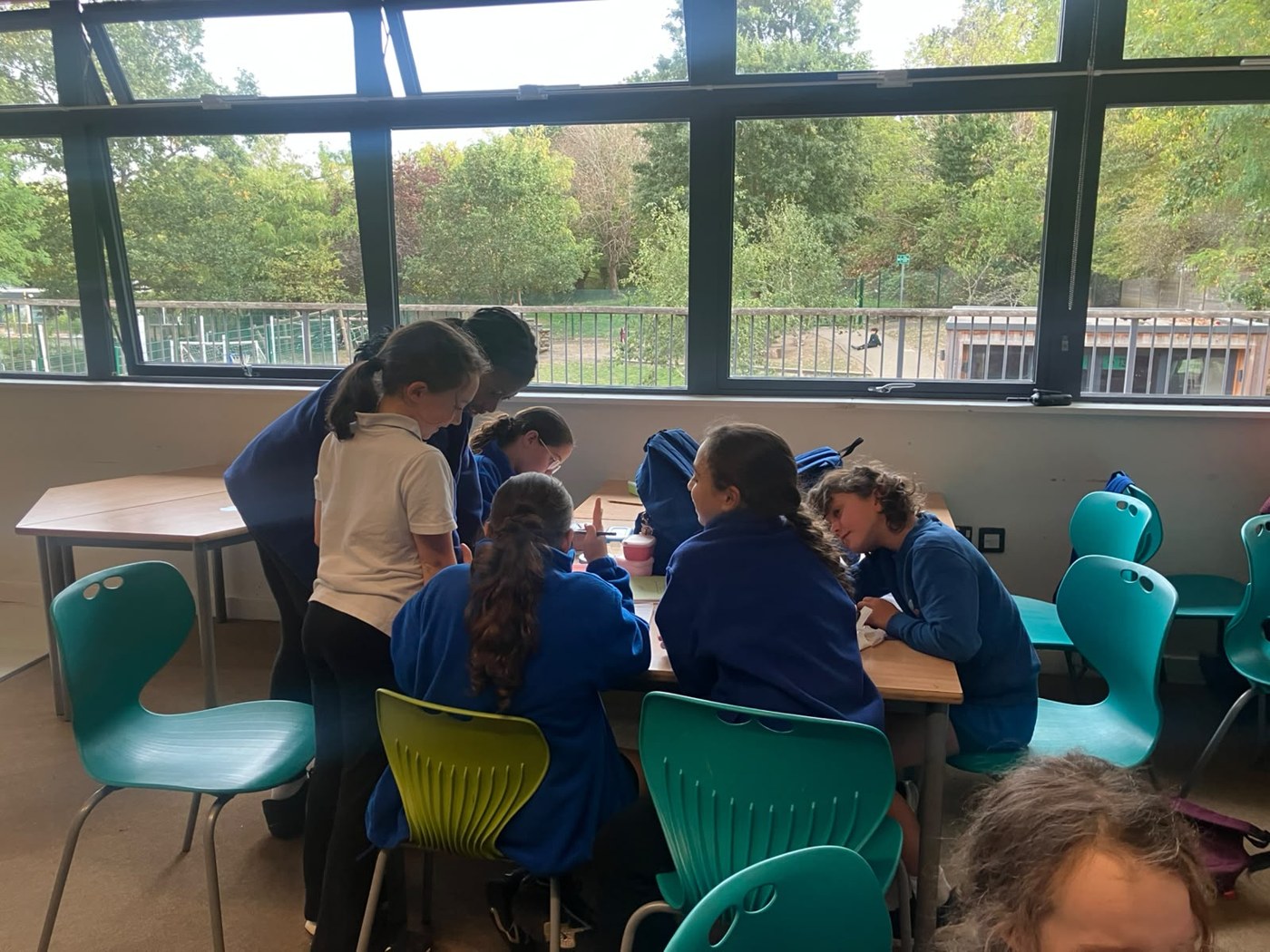
Children gathered around a table during a workshop

Why writing?

For anyone living with persistent pain, writing offers an activity that can travel between home, a workshop and an appointment.

Handwriting involves coordinated movement, touch and visual feedback. In a small brain-imaging study, children showed different responses to letters after printing them by hand than after typing or tracing. In an EEG study of 36 university students, handwriting with a digital pen produced more extensive connectivity between brain regions than typing, particularly in theta and alpha frequency bands. The researchers linked these patterns to processes involved in learning and memory; the study measured brain activity rather than testing whether participants learned or remembered more.

For someone who feels disconnected from their body after prolonged pain, the movement of a hand and contact with paper can offer a simple way to notice bodily sensation again.

In practice

Workshops I have delivered.

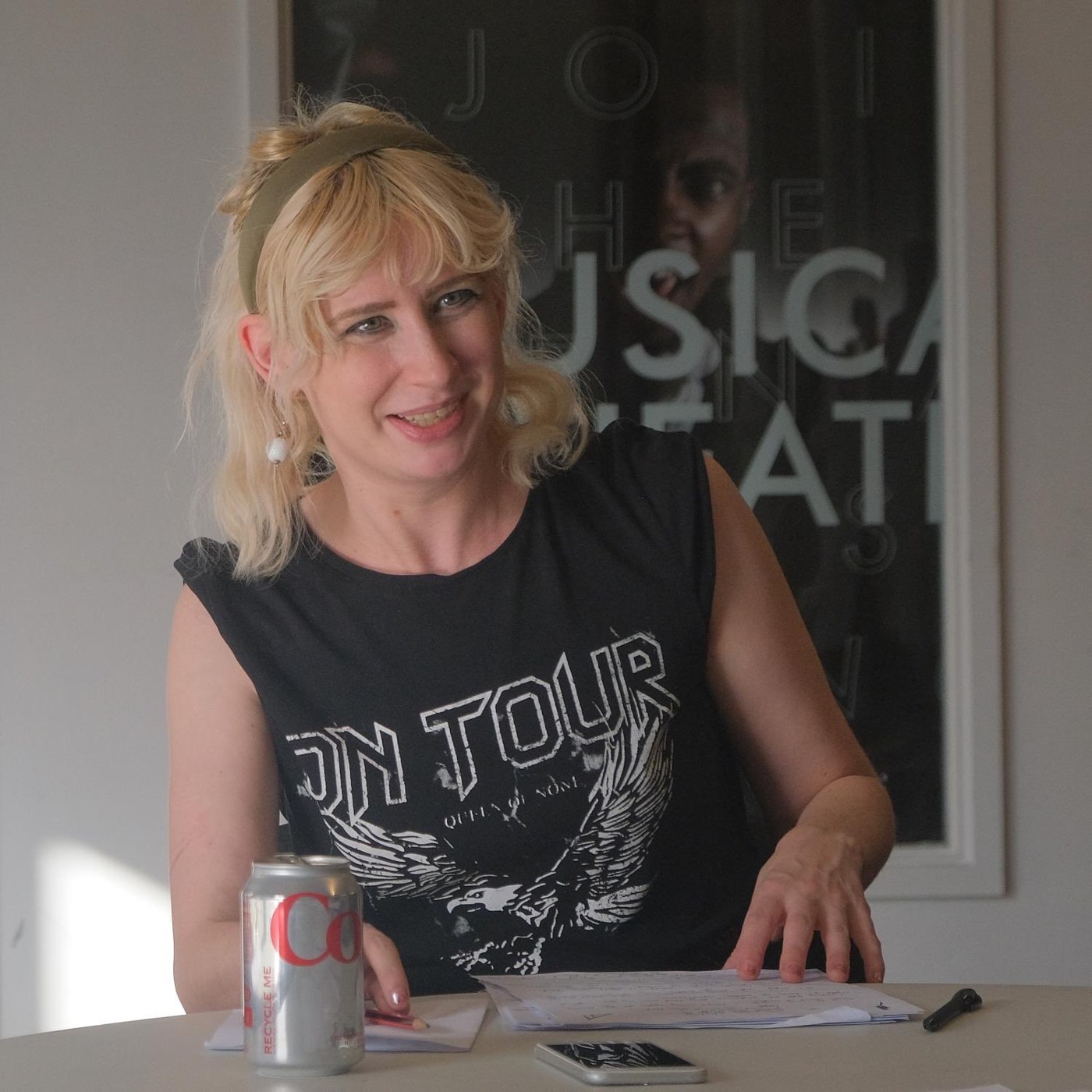
Sarah Fletcher seated at a table with writing notes

I delivered a six-hour in-person workshop with The Writing Squad, a writer-development programme for ages 16–22 in the North of England. With The Poetry School, I delivered six two-hour sessions over Zoom. With The Writing Squad, I used scales, metaphor and Portrait with Pain: describing how pain appears in posture, a room or a habit without naming it directly.

At The Poetry School, I explored how formal constraints can help writers approach pain. Participants described finding new language, shared experience and recognition.

I have taken modules in survey design and research ethics at Aberystwyth University. I am interested in evaluating longer-term outcomes, including how participants describe pain, communicate with practitioners and use the writing activities over time.

“I gained tools and techniques for harnessing this sometimes evasive topic with words and poetry and I had a great experience bonding with others in the workshop”
“I think the course description mentioned creating our own "pain language" and I believe we have done just this, by forging new avenues to communicate pain.”
“a sense of serenity washed over me because I felt seen and understood. And that's rare.”

A participant describing attending the workshop on a particularly difficult pain day.

Excerpts from anonymous workshop feedback, shared with permission.

About me

Sarah Fletcher.

Sarah Fletcher

I am an American-British writer, teacher and researcher based in London. My PhD at Aberystwyth University investigated pain, narrative and creative-writing interventions.

My first full-length poetry collection, PLUS ULTRA, was published by CHEERIO in 2023. I have also published three pamphlets: Kissing Angles (Dead Ink), Typhoid August (Smith|Doorstop) and Caviar (Out-Spoken Press).

My poetry has appeared in The Poetry Review, Poetry London, The Rialto and The White Review. I also write essays and criticism, including for The Washington Post. I was a Foyle Young Poet of the Year and received the Christopher Tower Poetry Prize in 2012 and 2013.

Alongside my writing, I have delivered workshops or lessons for children, teenagers and adults. My workshops bring that experience into my research on how we describe pain and how others hear it.
Contact

SarahfletcherUK@gmail.com
07756 595232